

-
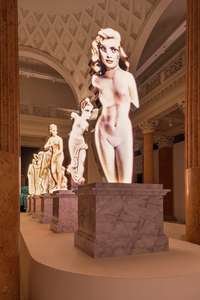
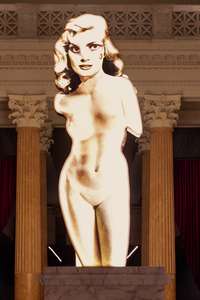
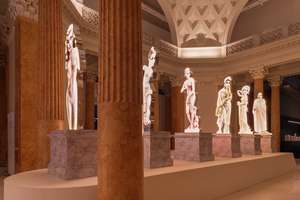
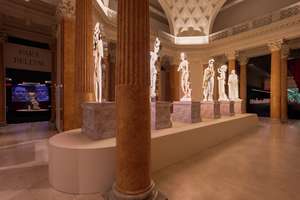
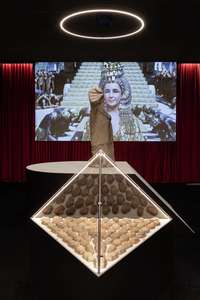
Francesco Vezzoli, VITA DULCIS. Paura e desiderio nell'Impero Romano – Installation view

-
Francesco Vezzoli, VITA DULCIS. Paura e desiderio nell'Impero Romano – Installation view
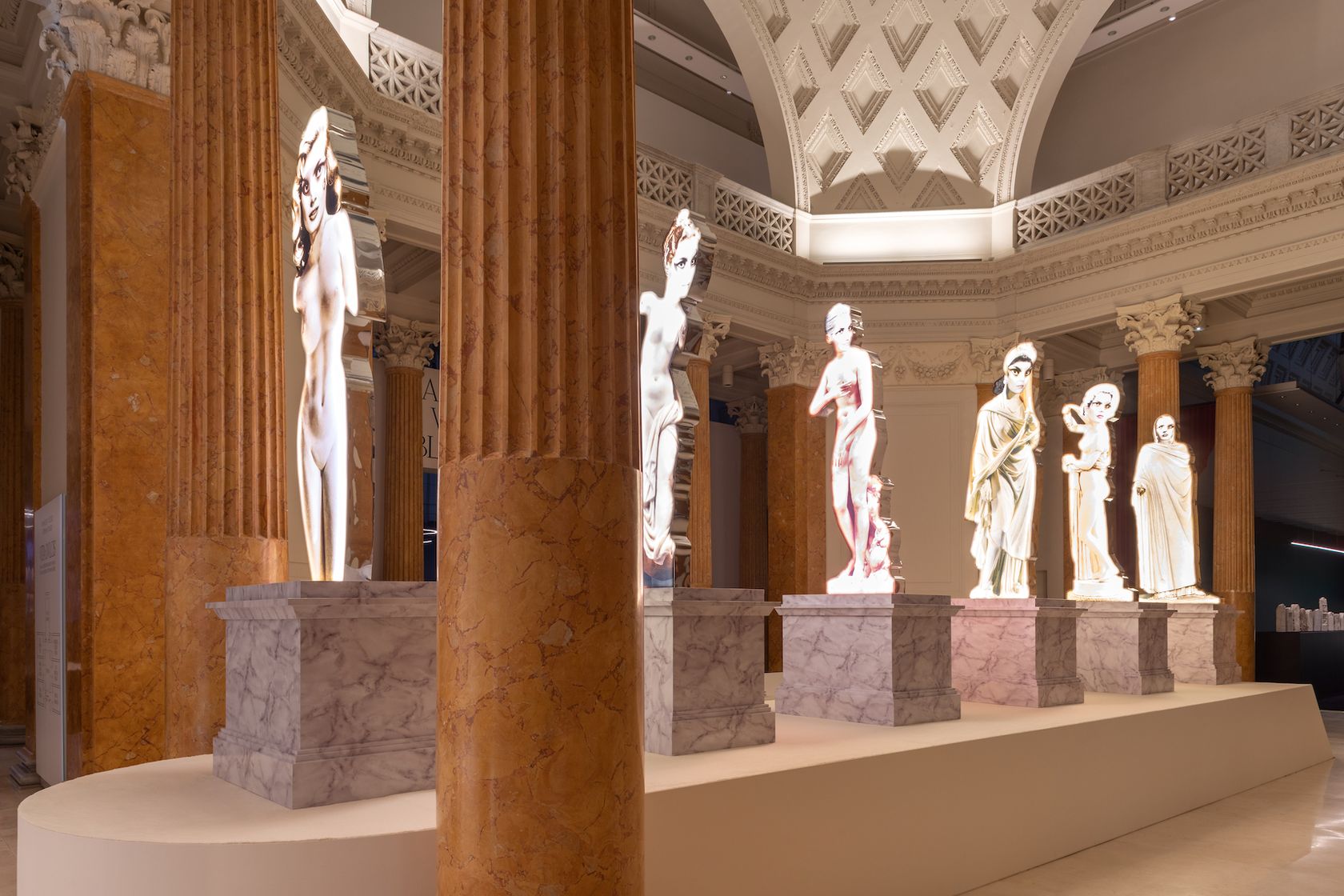
-
Francesco Vezzoli, VITA DULCIS. Paura e desiderio nell'Impero Romano – Installation view
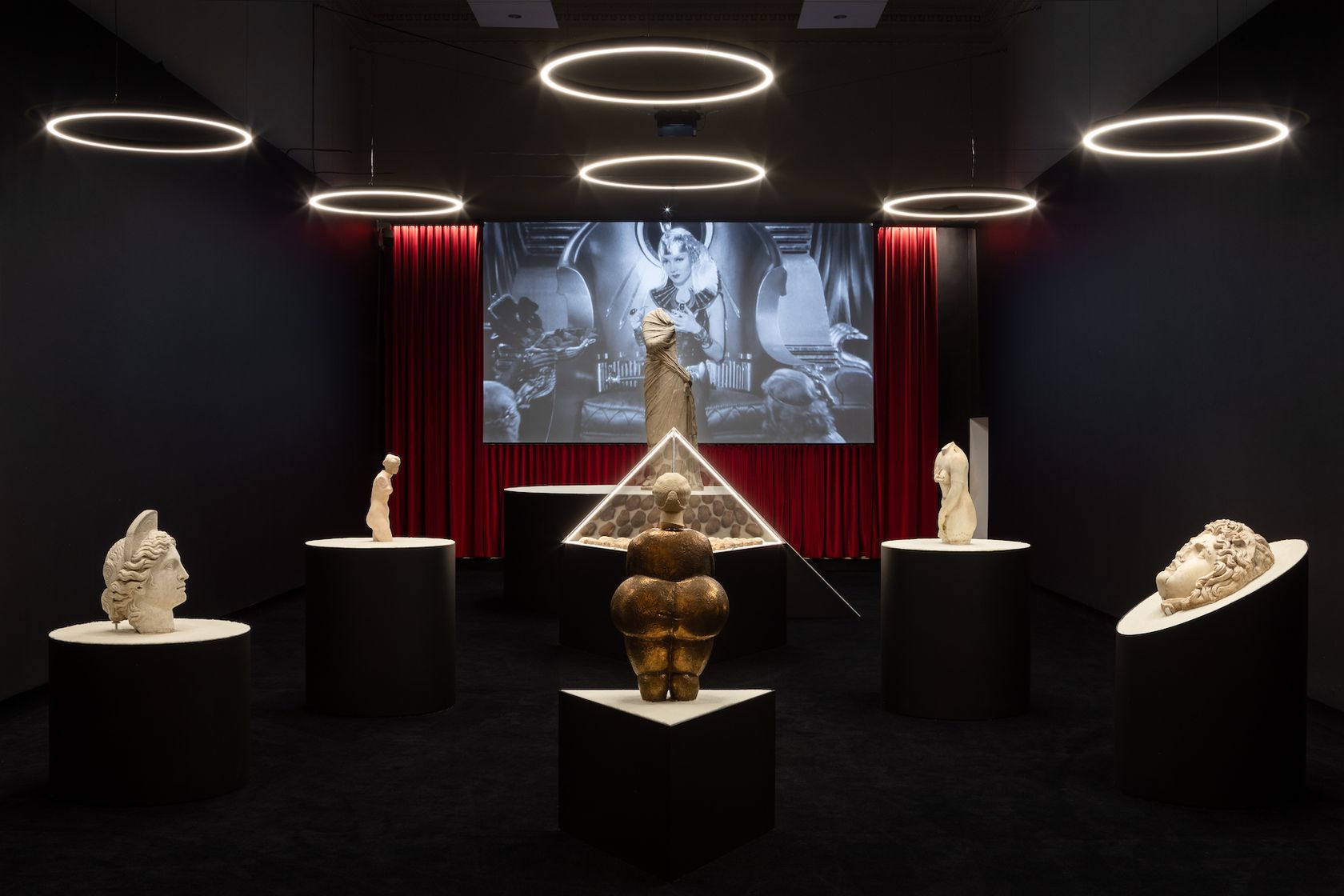
-
Francesco Vezzoli, VITA DULCIS. Paura e desiderio nell'Impero Romano – Installation view
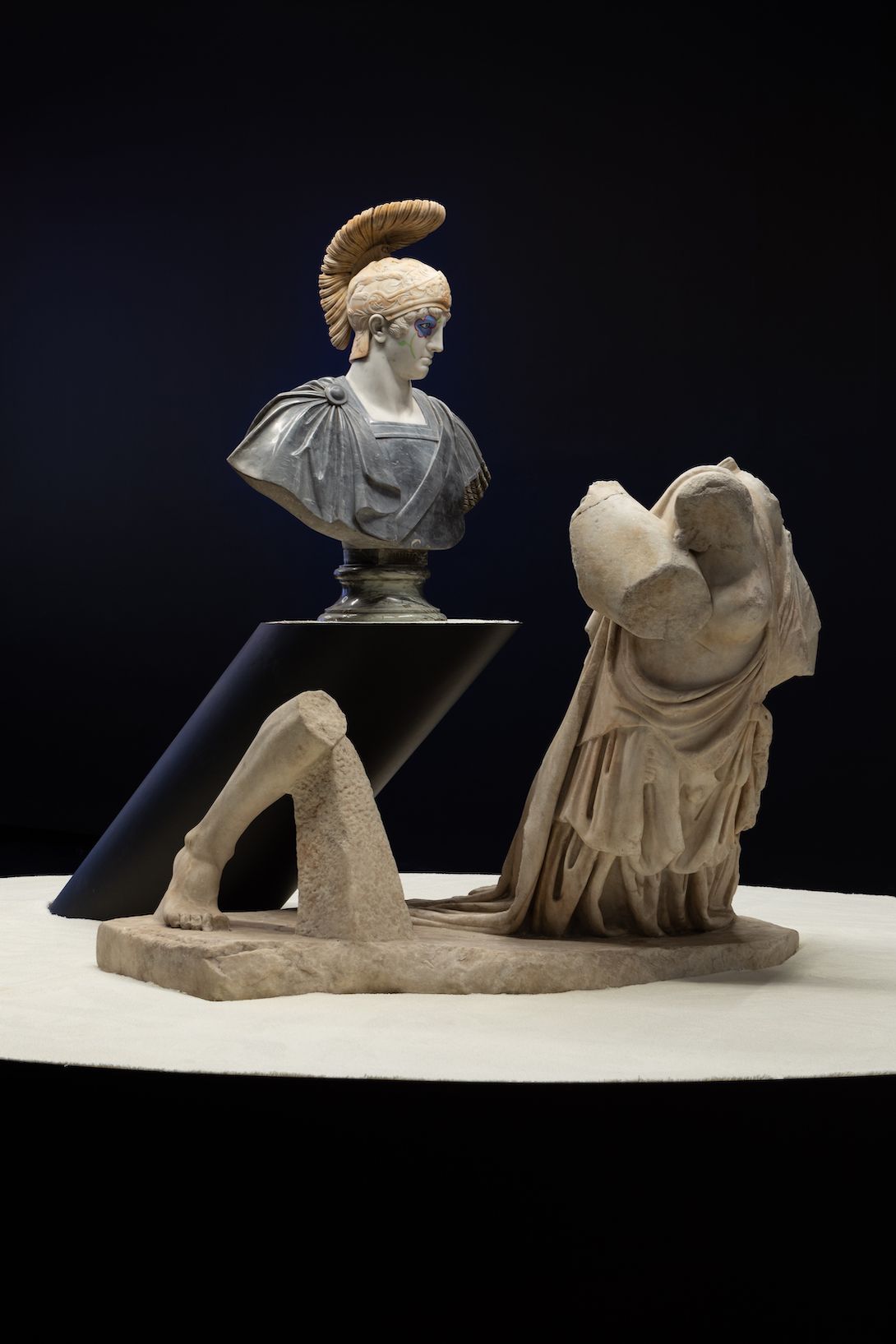
-
Francesco Vezzoli, VITA DULCIS. Paura e desiderio nell'Impero Romano – Installation view
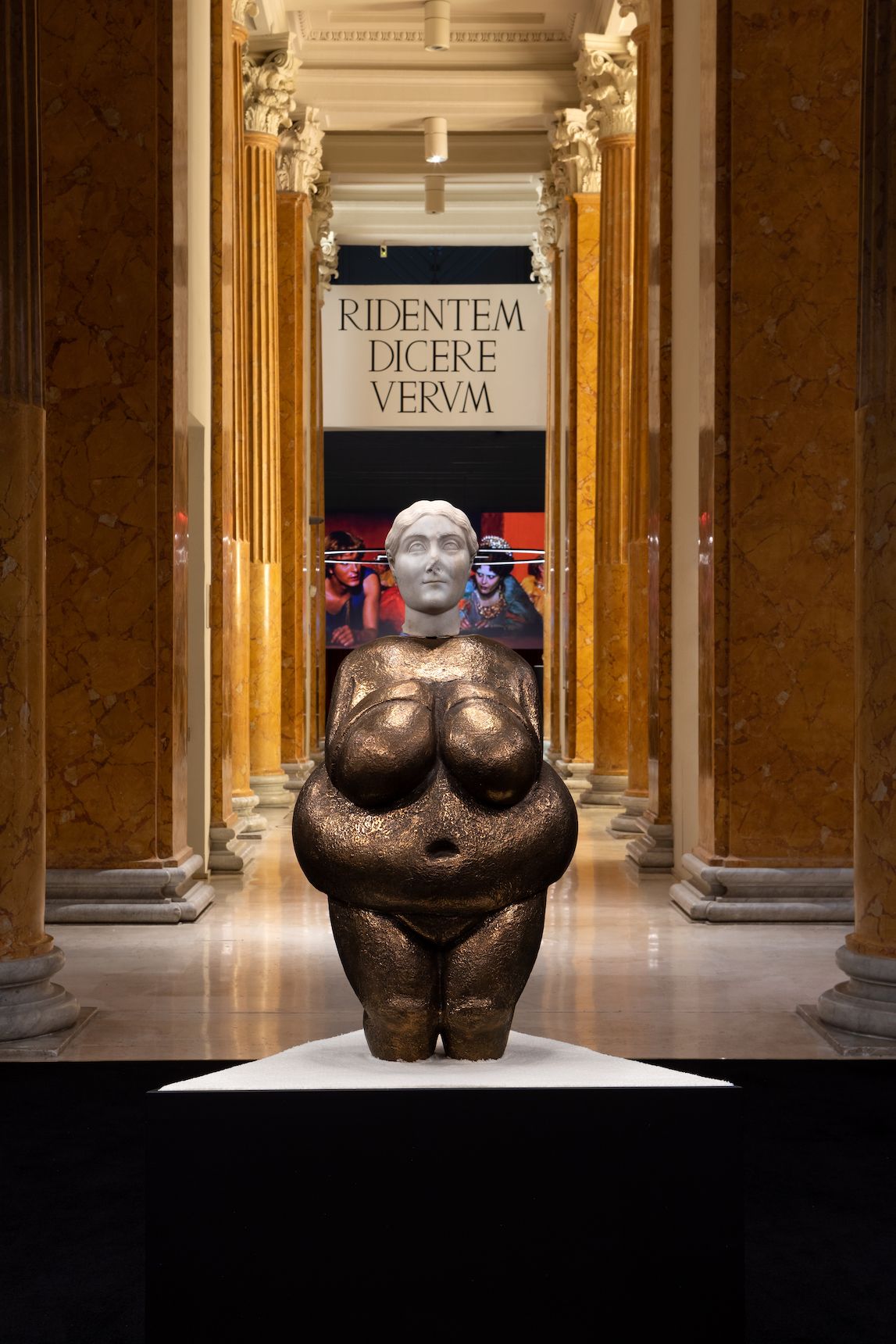
-
Francesco Vezzoli, VITA DULCIS. Paura e desiderio nell'Impero Romano – Installation view
-
Francesco Vezzoli, VITA DULCIS. Paura e desiderio nell'Impero Romano – Installation view
-
Francesco Vezzoli, VITA DULCIS. Paura e desiderio nell'Impero Romano – Installation view
-
Francesco Vezzoli, VITA DULCIS. Paura e desiderio nell'Impero Romano – Installation view
-
Francesco Vezzoli, VITA DULCIS. Paura e desiderio nell'Impero Romano – Installation view
-
Francesco Vezzoli, VITA DULCIS. Paura e desiderio nell'Impero Romano – Installation view
-
Francesco Vezzoli, VITA DULCIS. Paura e desiderio nell'Impero Romano – Installation view
-
Francesco Vezzoli, VITA DULCIS. Paura e desiderio nell'Impero Romano – Installation view
-
Francesco Vezzoli, VITA DULCIS. Paura e desiderio nell'Impero Romano – Installation view
-
Francesco Vezzoli, VITA DULCIS. Paura e desiderio nell'Impero Romano – Installation view
-
Francesco Vezzoli, VITA DULCIS. Paura e desiderio nell'Impero Romano – Installation view
-
Francesco Vezzoli, VITA DULCIS. Paura e desiderio nell'Impero Romano – Installation view
-
Francesco Vezzoli, VITA DULCIS. Paura e desiderio nell'Impero Romano – Installation view
-
Francesco Vezzoli, VITA DULCIS. Paura e desiderio nell'Impero Romano – Installation view
-
Francesco Vezzoli, VITA DULCIS. Paura e desiderio nell'Impero Romano – Installation view
-
Francesco Vezzoli, VITA DULCIS. Paura e desiderio nell'Impero Romano – Installation view
-
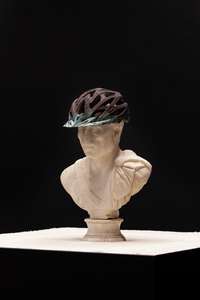
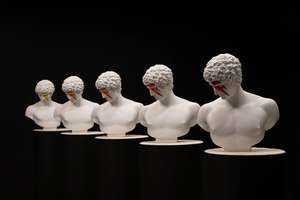
Francesco Vezzoli, Another Pedicure, 2018

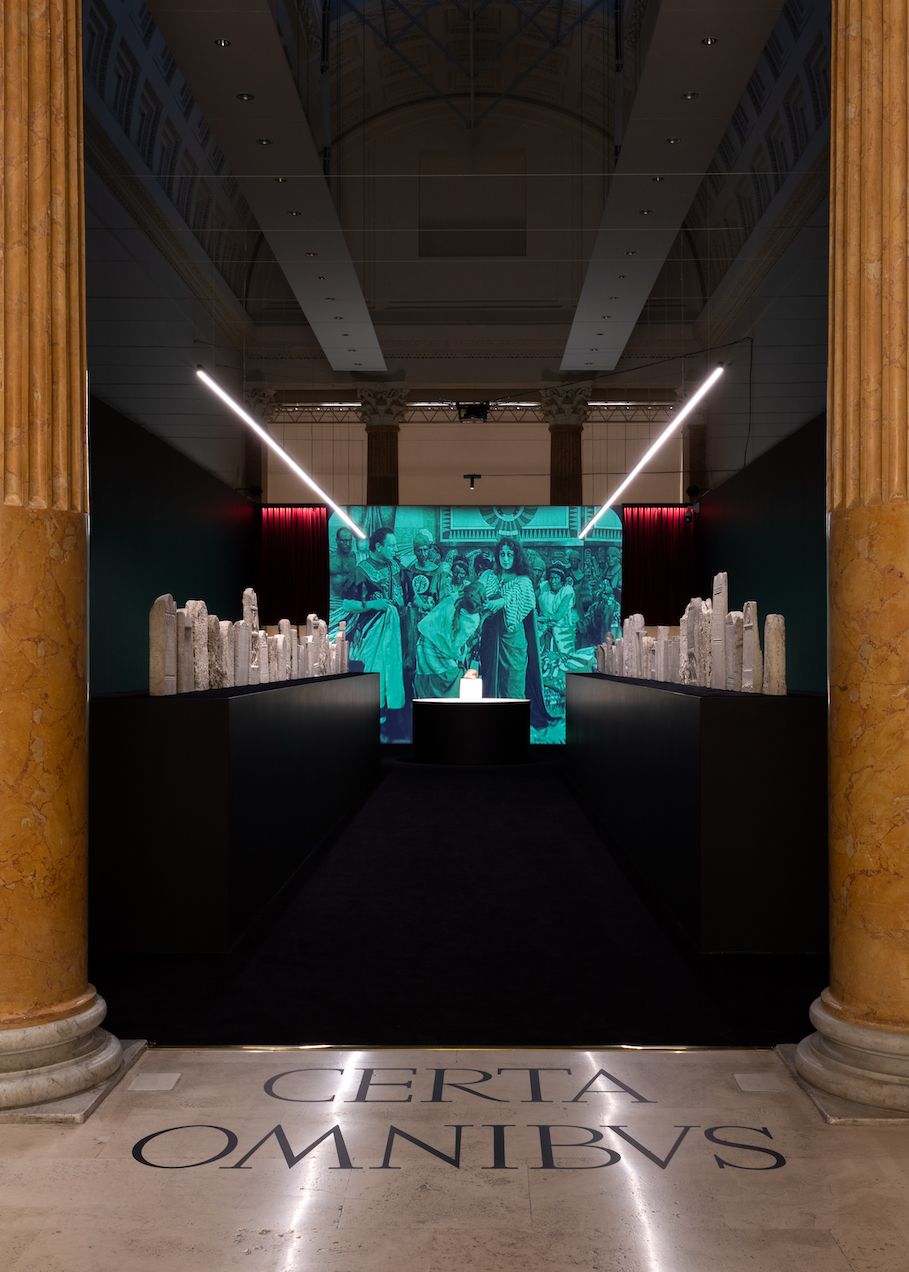
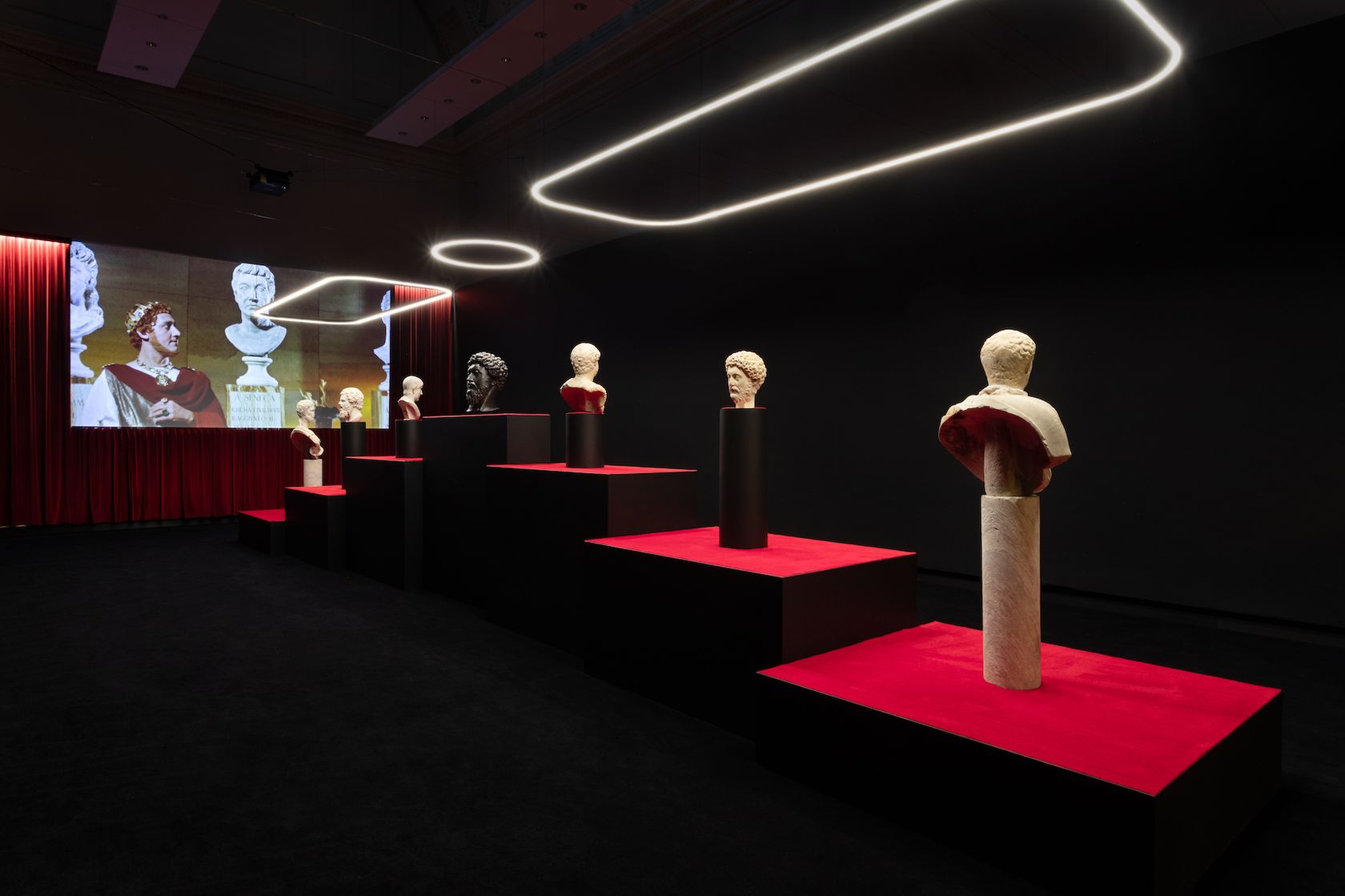
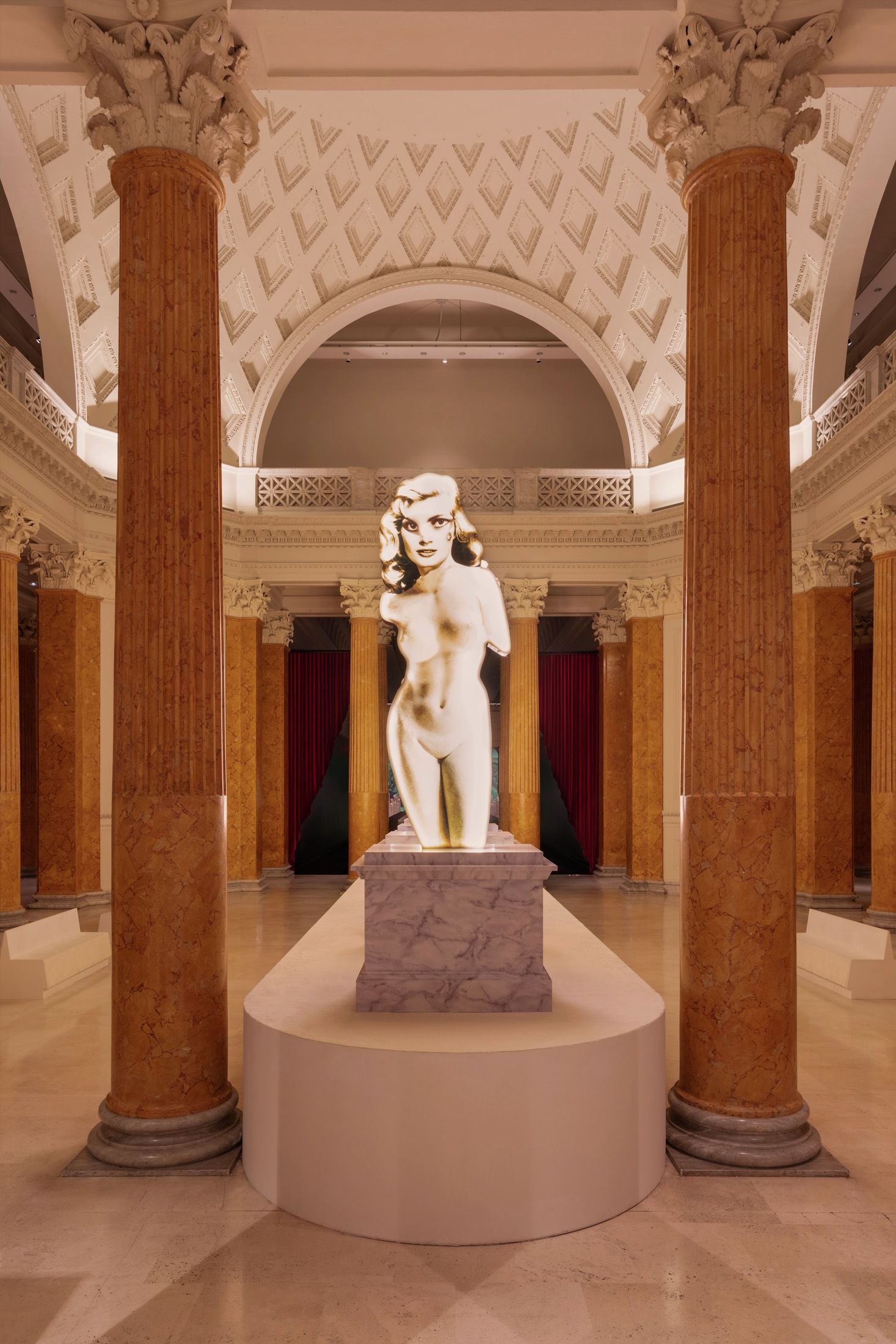
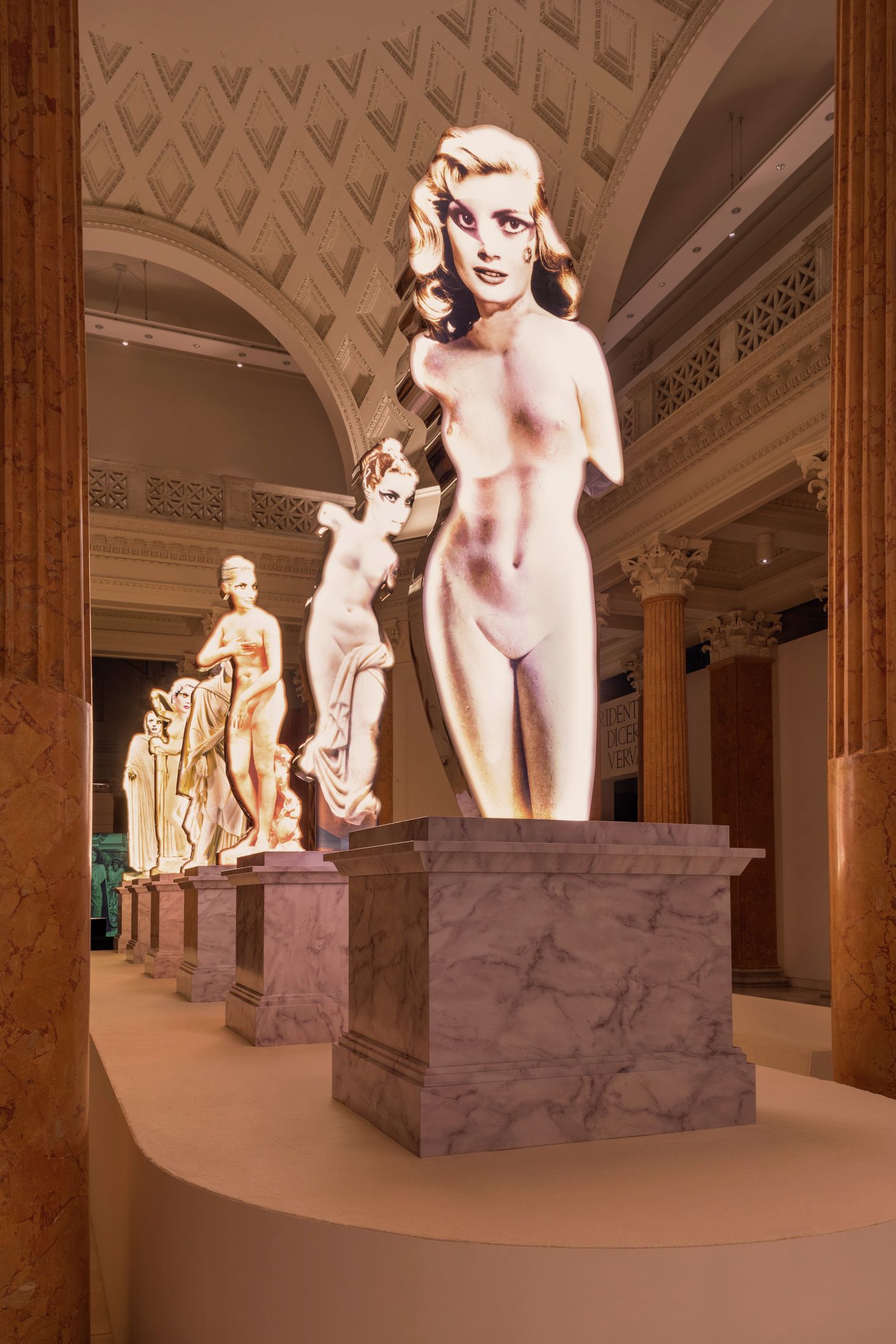
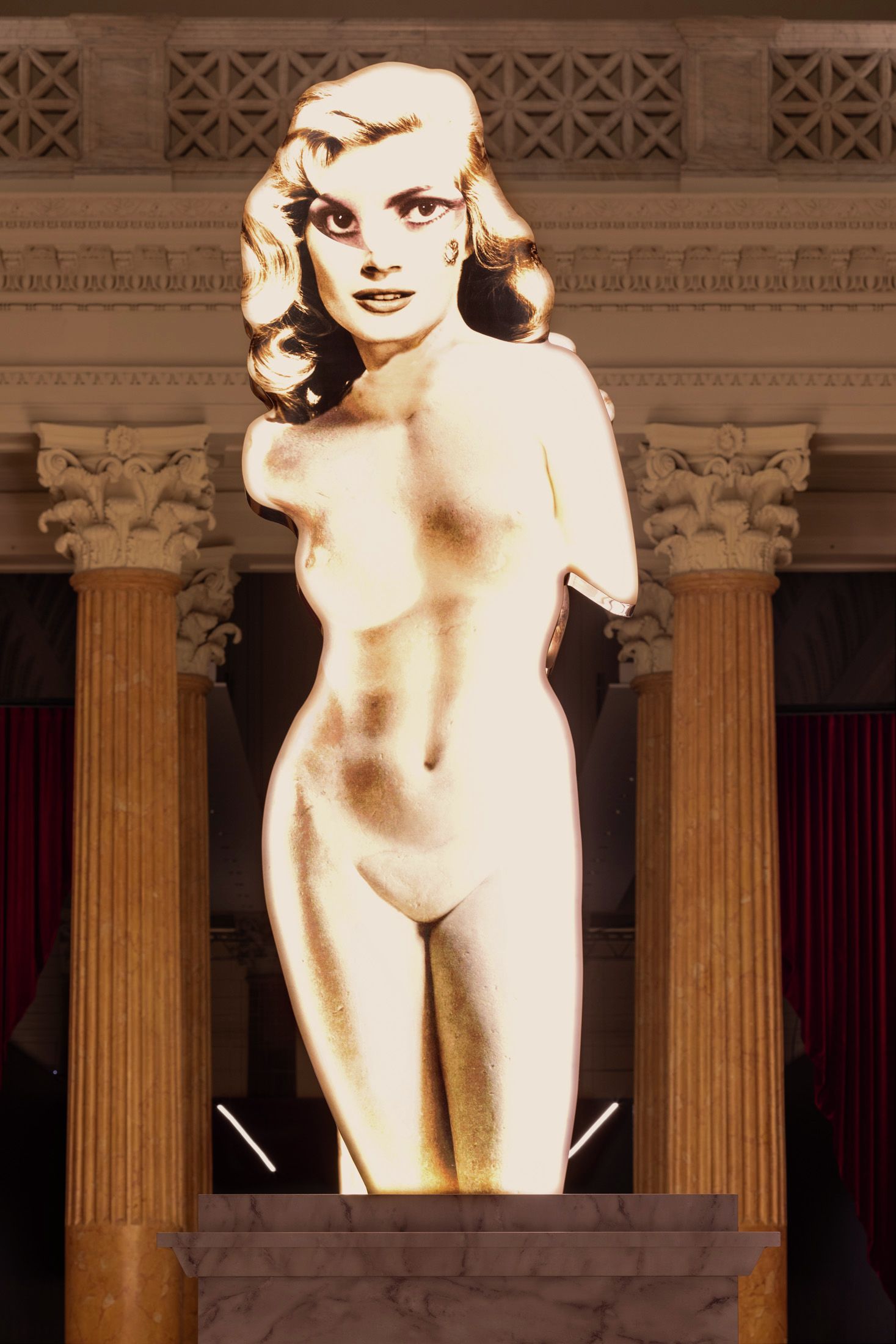
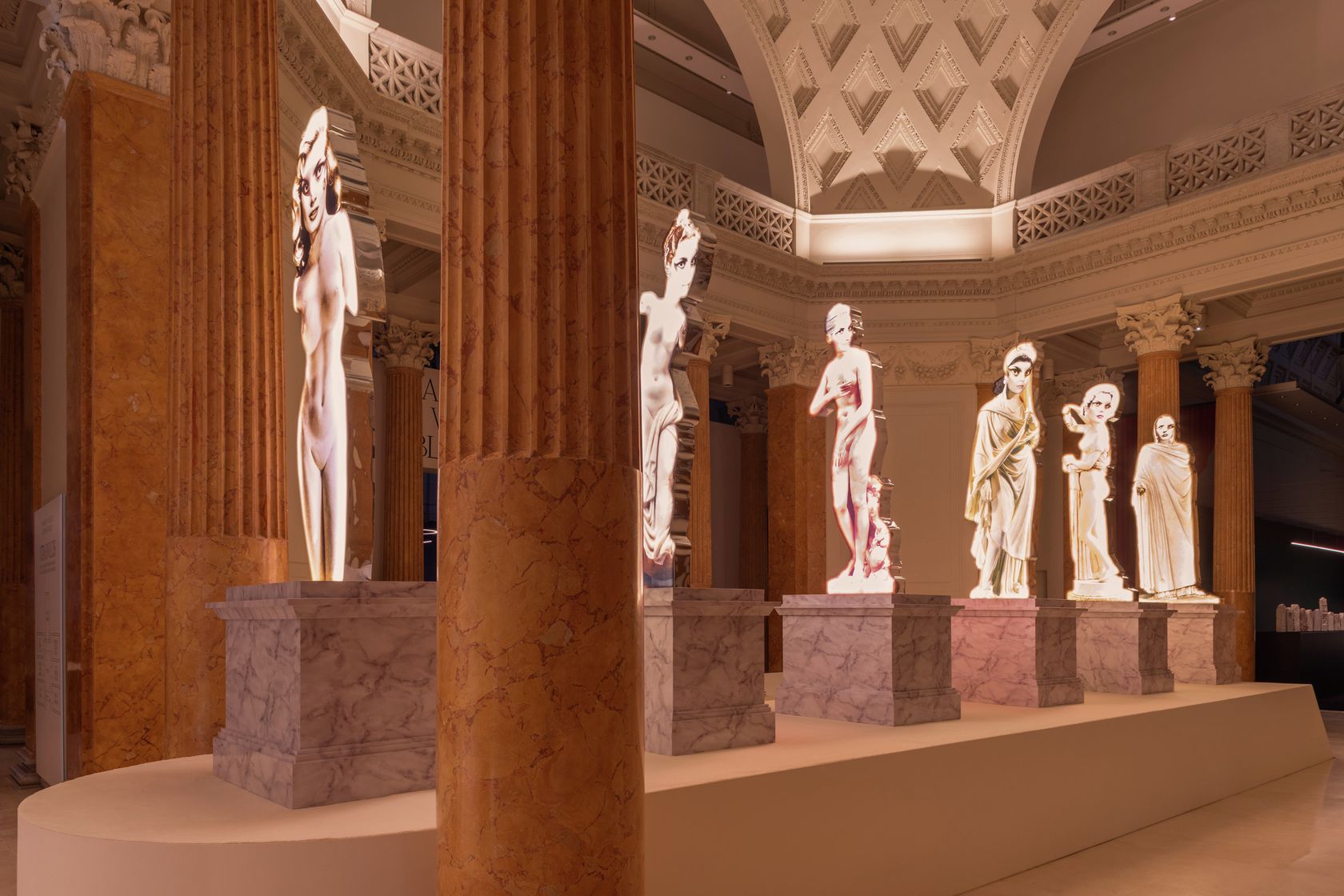
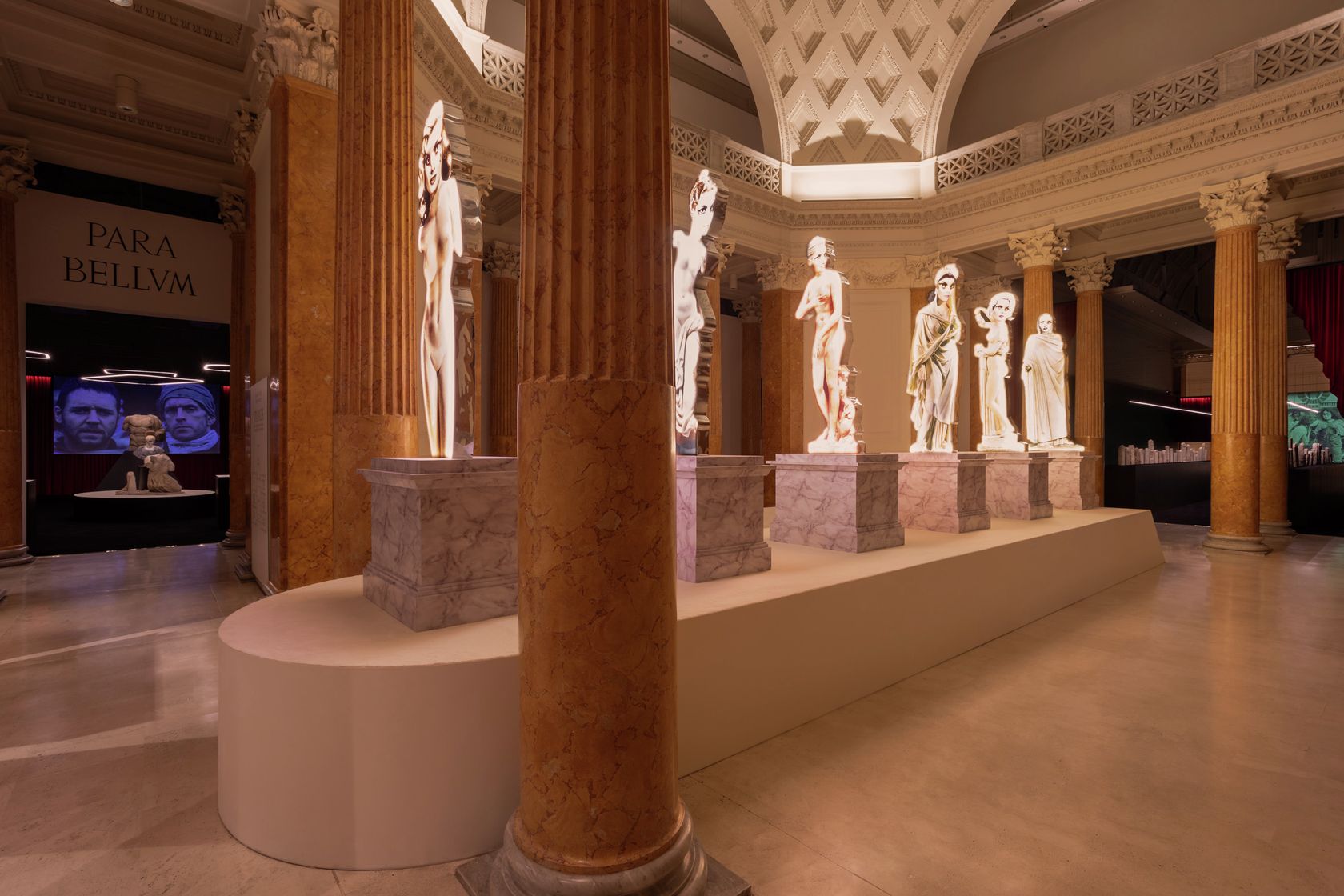
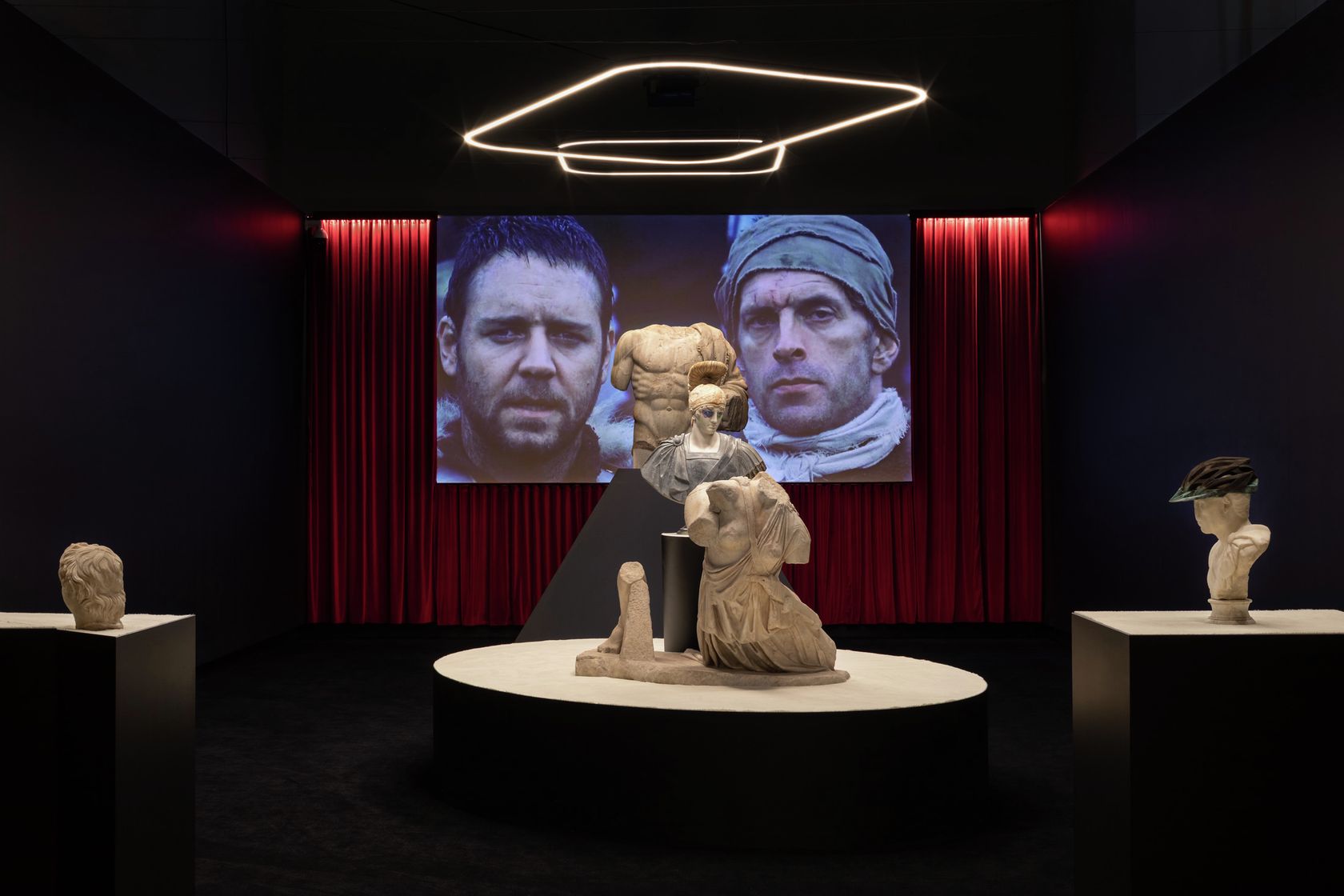
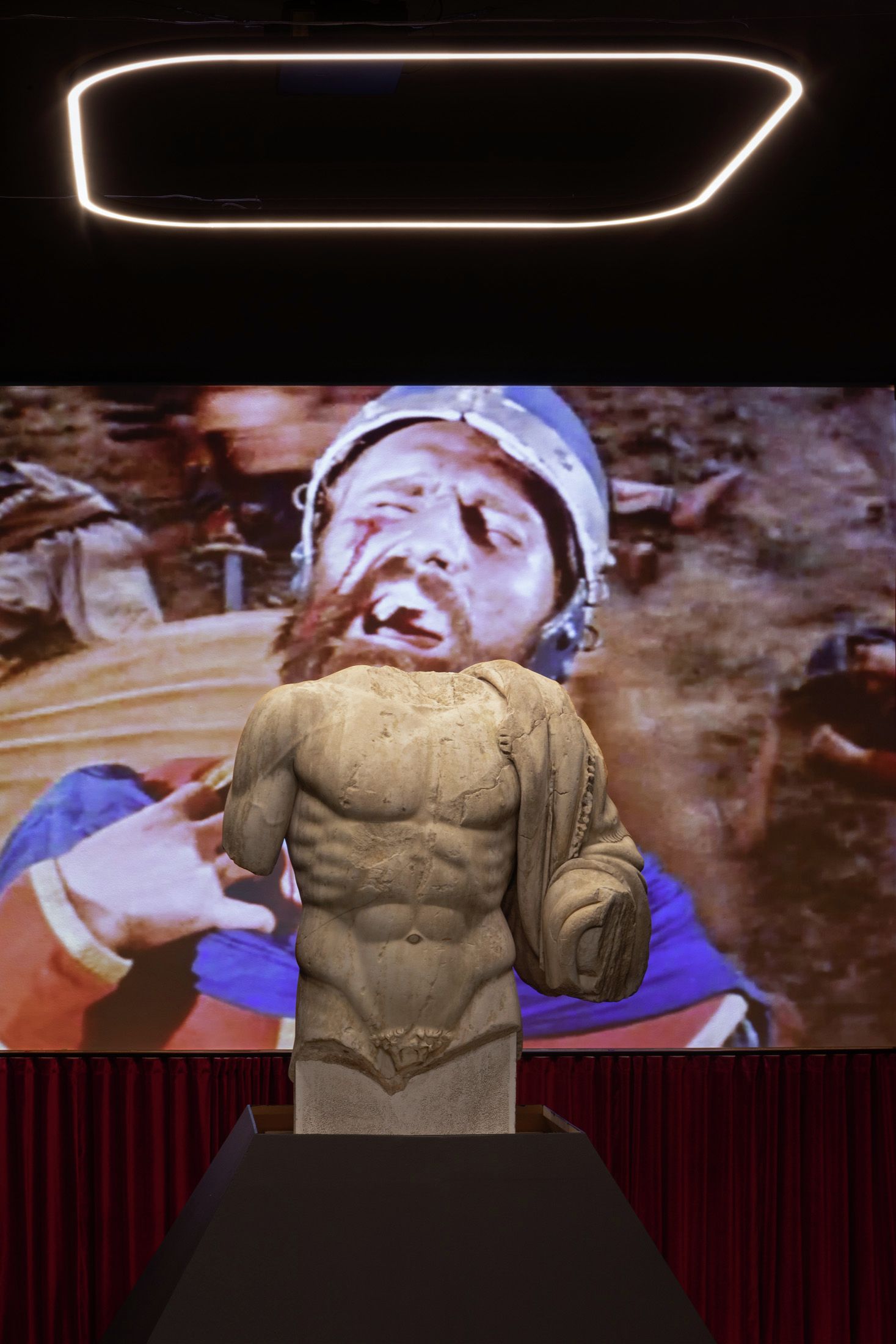
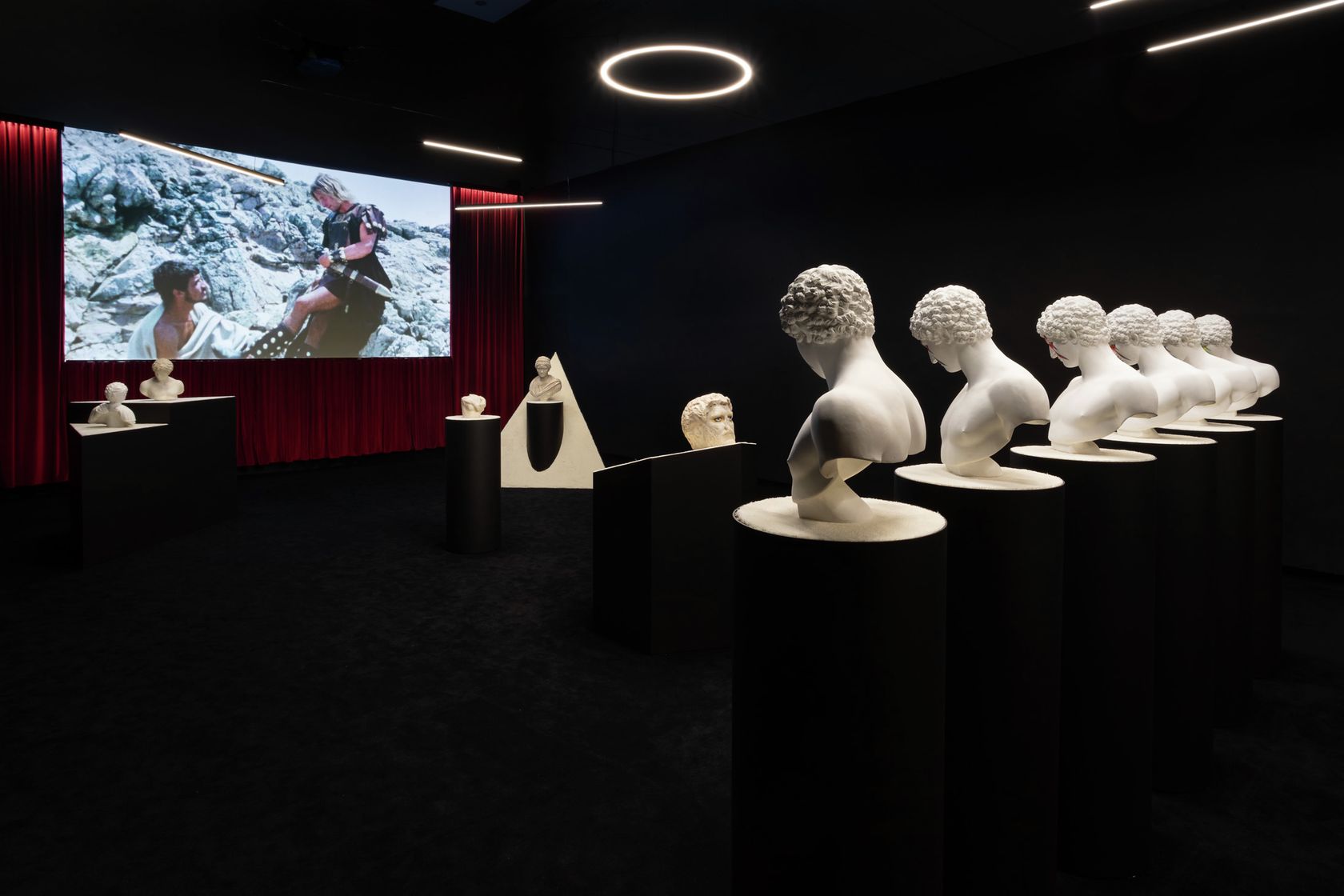
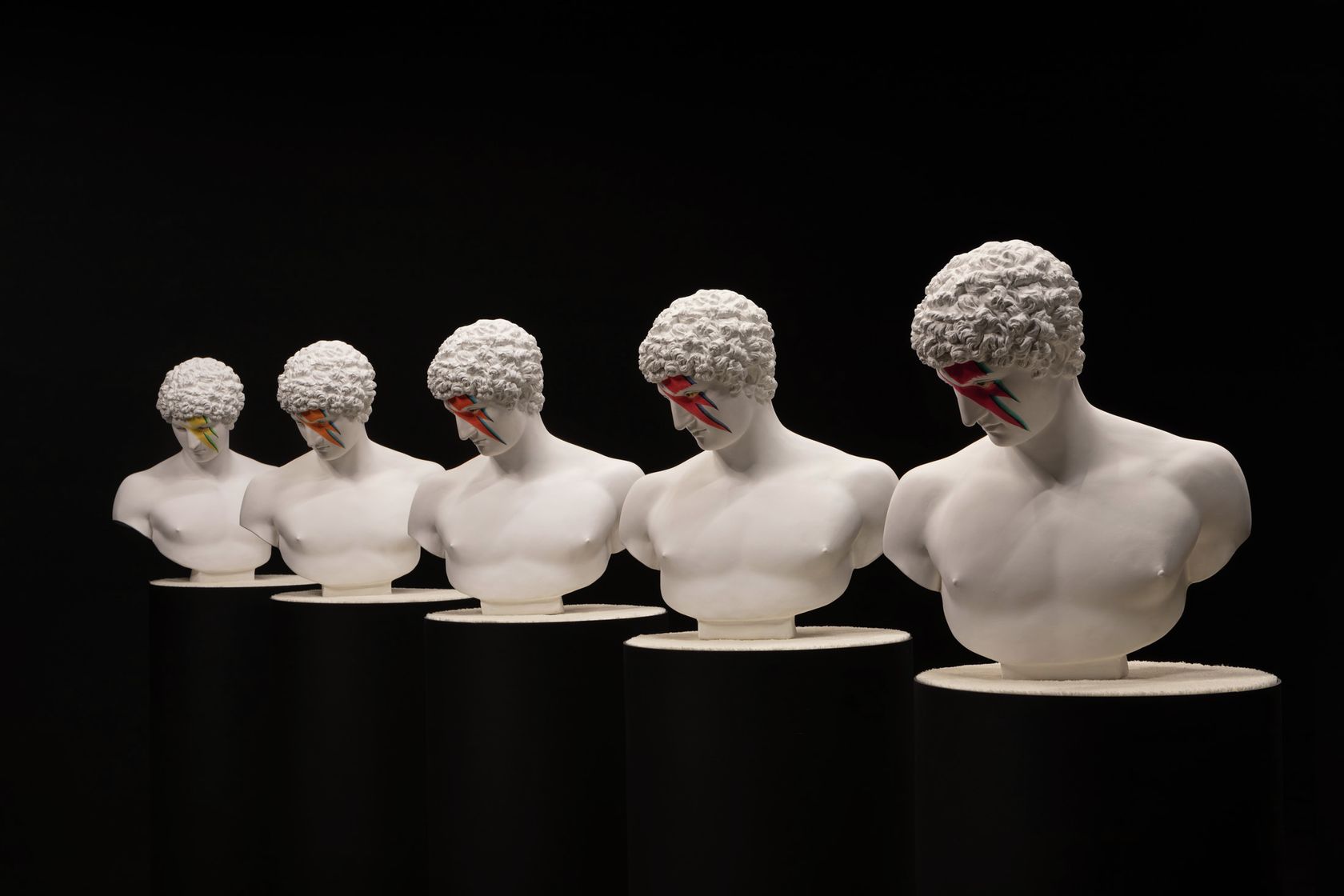
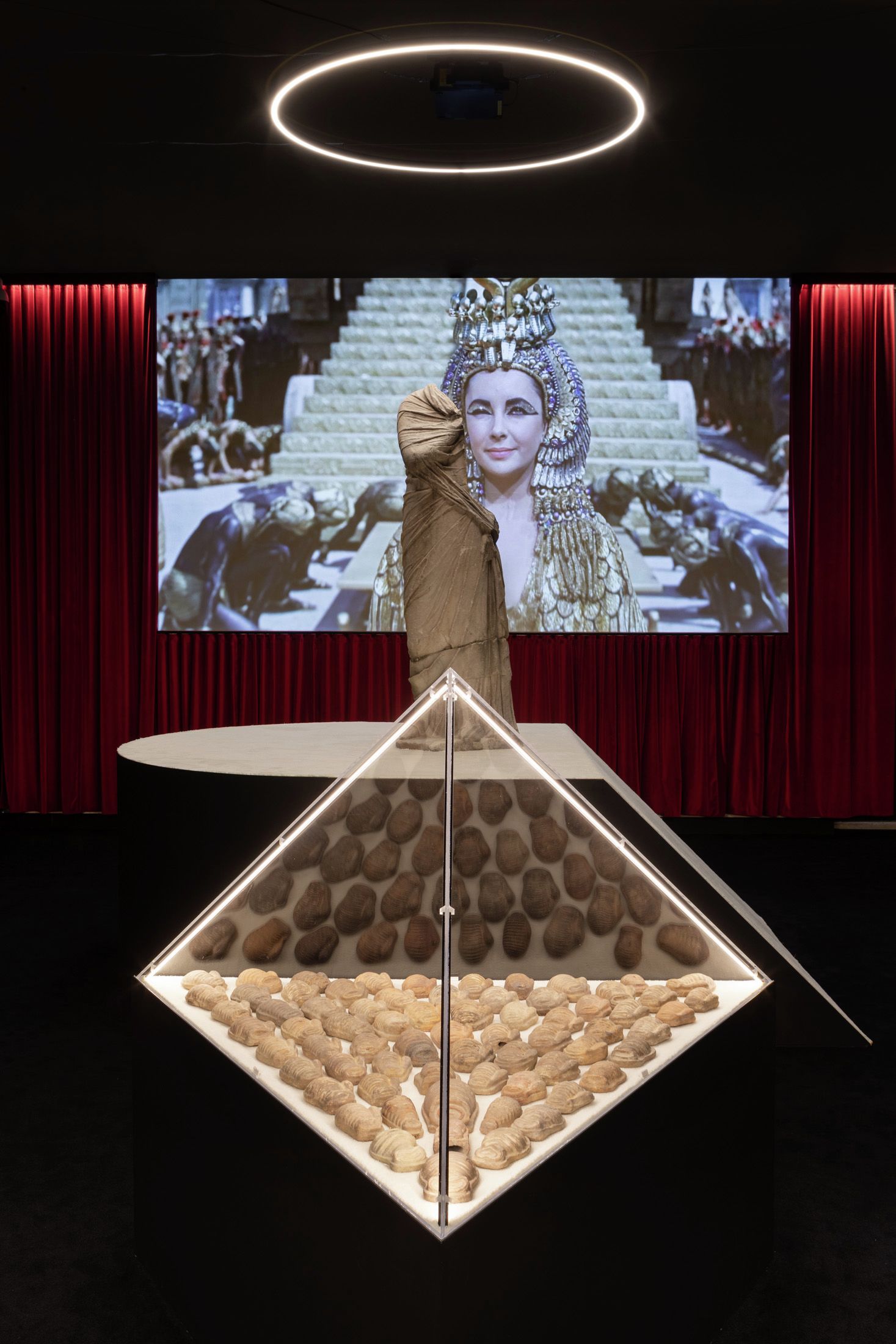
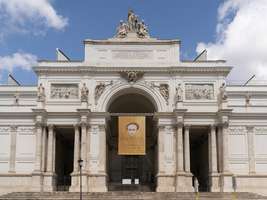
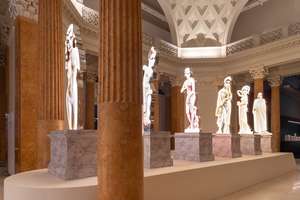
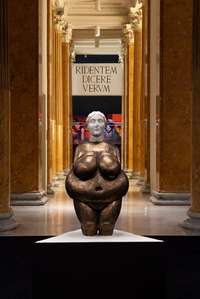
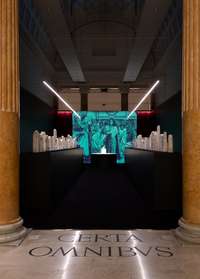
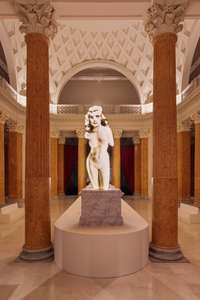
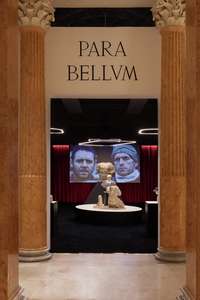
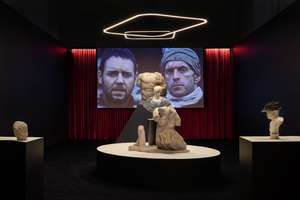
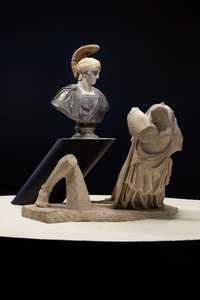
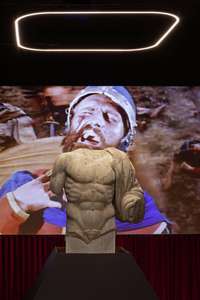
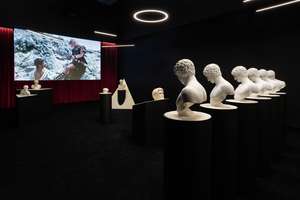
At Palazzo delle Esposizioni in Rome from 22 April to 27 August 2023, curated by Francesco Vezzoli and Stéphane Verger, the exhibition VITA DULCIS - produced by the Azienda Speciale Palaexpo and conceived together with the Museo Nazionale Romano and Studio Vezzoli - takes its cue from the artist's most recent production to offer the public an unprecedented and surprising journey that combines contemporary art, archaeology and cinema.
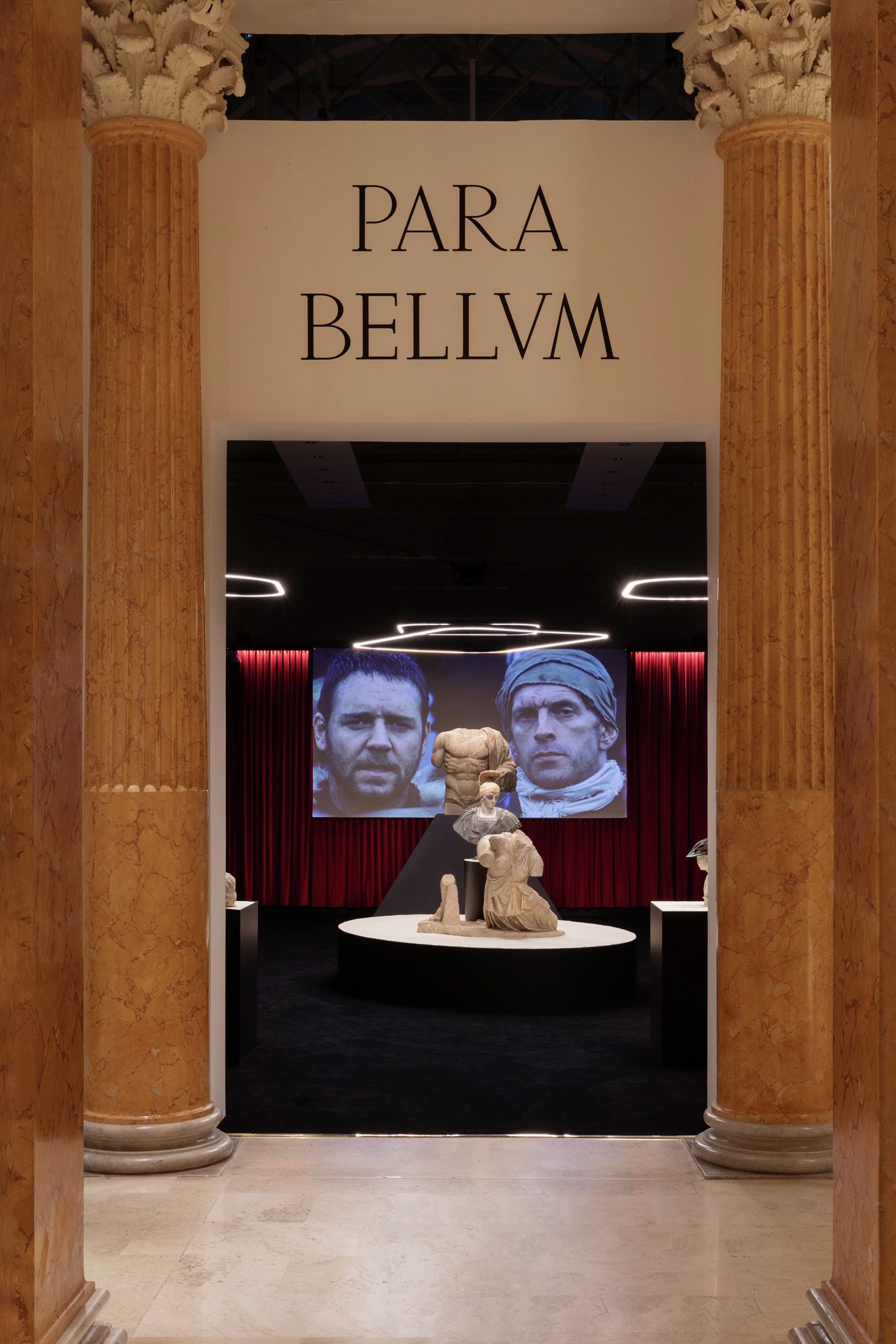
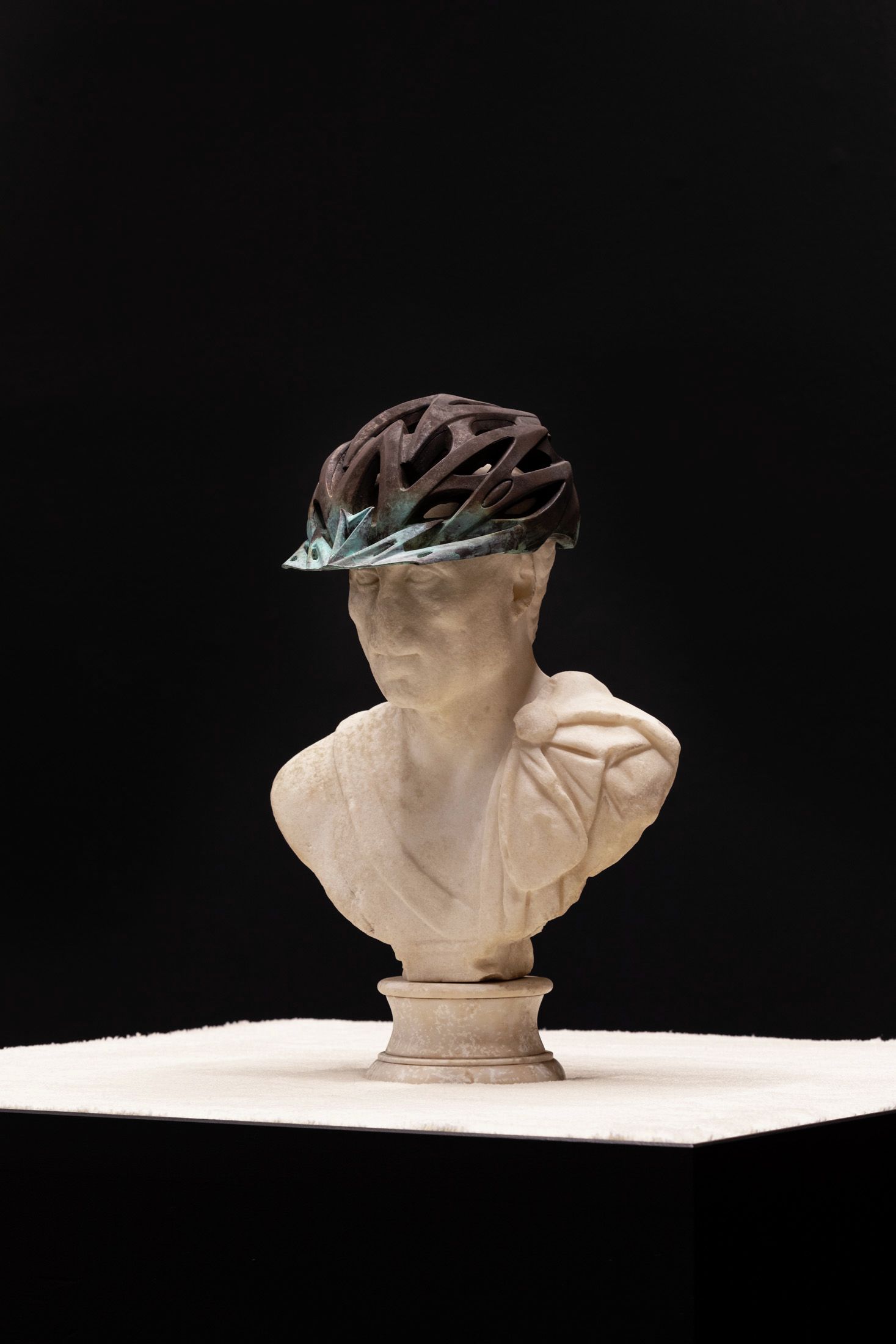
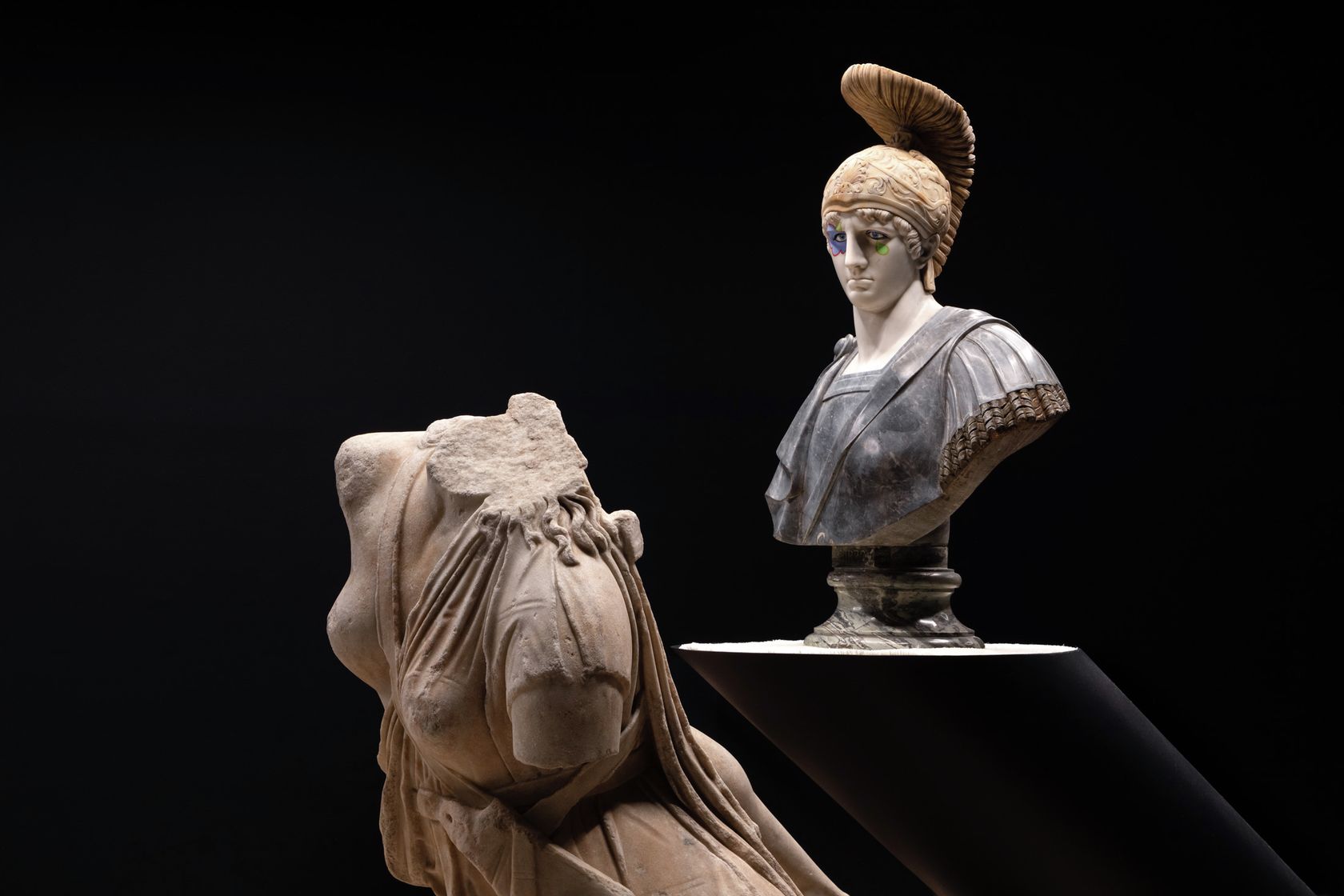
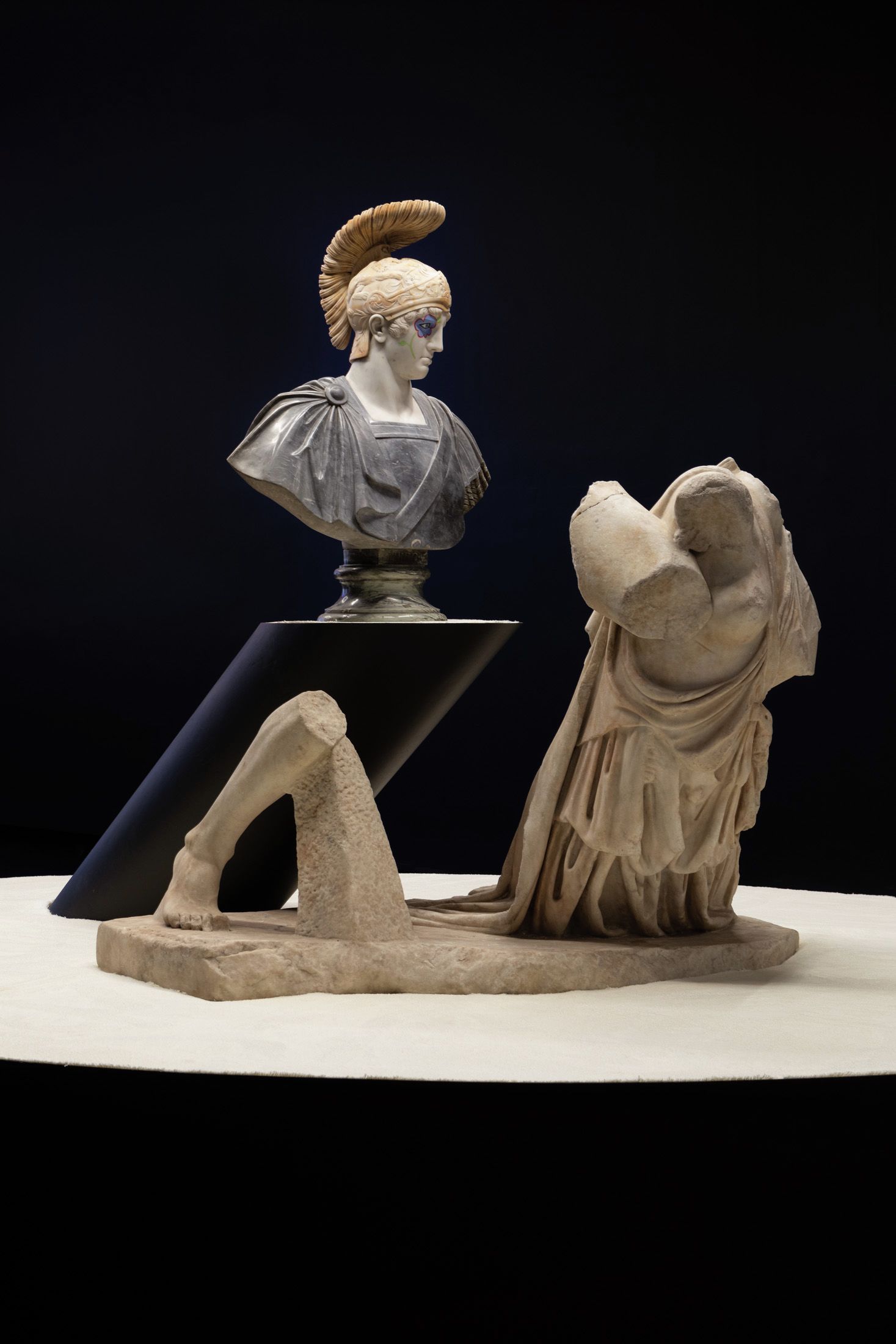
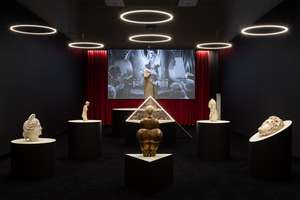
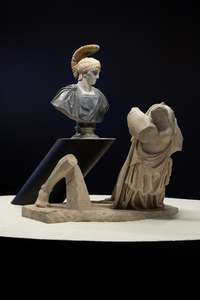
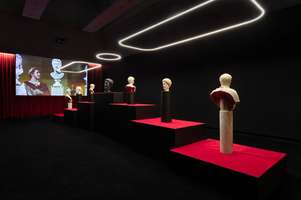
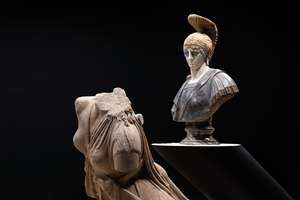
A Latinisation of Federico Fellini’s well-known film La dolce vita, the title that has been chosen introduces – and is emblematic of – the agility with which this exhibition plans to move between different ages and contexts, from Classical culture to pop. The show will be articulated through seven thematic rooms pivoting around the central rotunda, which will function as an introductory space. Ancient history, in the form of works and archaeological finds from the various branches of the Museo Nazionale Romano – well-known masterpieces or pieces that have never been placed on public display before – will be shown alongside a narrative unfolding through images from major box-office hit films such as Cabiria, Italy’s first epic movie made in 1914 on whose script Gabriele D’Annunzio also collaborated, Federico Fellini’s Satyricon, Derek Jarman’s Sebastiane, Ridley Scott’s Gladiator. Works by Vezzoli incorporating elements of ancient art, or inspired by it, make up the third voice in this dialogue.
VITA DULCIS is a project that sets out to forge a new narrative, showcasing Classical Roman artworks and finds in an exhibition devoid of the "chilly" and "distant" feel typical of so many museum displays, offering visitors instead the vibrant intensity and genuine passion that the finds are capable of triggering by immersing them in an atmospheric and unexpected scenographical and conceptual layout in which they interact with some of Vezzoli's more recent creations.
The cinema ideally complements the tale narrated in VITA DULCIS because of all the visual arts, it is the medium that has used and celebrated the historical period of ancient Rome more than any other, invariably endeavouring to convey its truth, its passion, its stories, its psychology, its atmosphere and its colour.